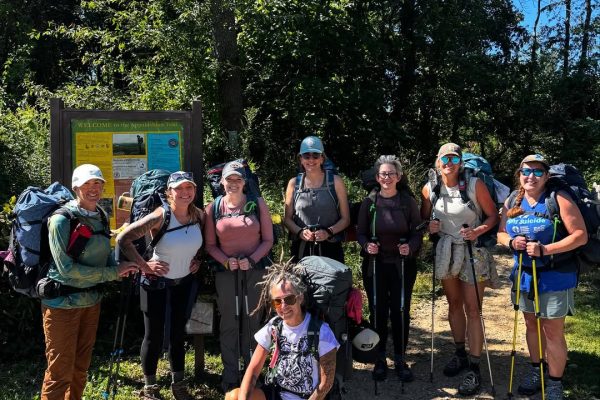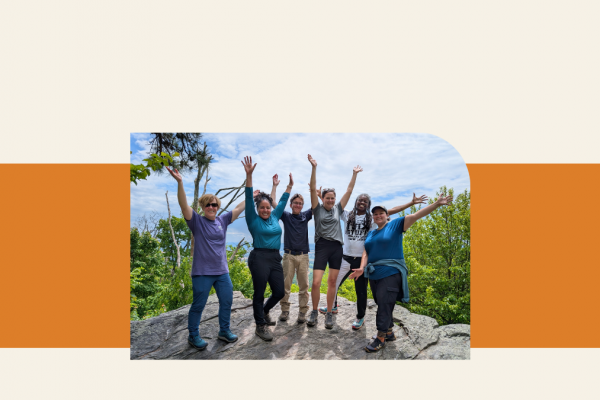

The day after my mom passed away, while I was in the middle of planning her funeral and trying to keep putting one foot in front of the other after losing both of my parents just over two months apart, I found myself searching online for hiking and grief. I stumbled across The Umbrella Project and filled out the interest form that day.
Looking back, I honestly believe my mom led me there.
If someone had invited me to a grief support group, I would have politely declined. At that point, I wasn’t ready to face my grief. I was surviving by staying busy, focusing on work, raising my two young children, and navigating two estates. I had convinced myself that if I just kept moving, I wouldn’t have to stop long enough to feel what had happened.
But I also knew I should be doing something. I had read all of the grief books I could get my hands on. I understood grief intellectually. They all said to find community, surround yourself with people who understand, don’t grieve alone. I think I was signing up for the trail… hoping I could receive the healing without ever having to face the grief. Then something shifted.
One evening, participants wrote letters to the people they had lost and offered them to the fire. I wrote letters to both of my parents, and as we offered them to the fire, I completely fell apart. Through tears, I shared out loud what I had been carrying silently for months—that I felt broken without my parents.
Later, I took a walk by myself to watch the sunset. Standing there alone, I felt closer to my parents than I had since they died. I can’t fully explain it, but that evening was the first time my grief felt less like something I needed to outrun and more like a way of remaining connected to them.
Before The Umbrella Project, I thought I had been grieving for months. Looking back, I realize I had mostly been surviving.
Perhaps the greatest gift has been that I can now talk about my parents with joy alongside the sadness. My children were lucky enough to know their Nana and PopPop, but they’re too young to carry those memories into adulthood. As those memories fade for them, mine become even more important. I get to tell them who their grandparents were, how fiercely they loved them, and make sure Nana and PopPop continue to be part of their lives. Before The Umbrella Project, those conversations felt almost impossible. Today, they feel like one of the greatest ways I can honor my parents and keep their love alive for my children.
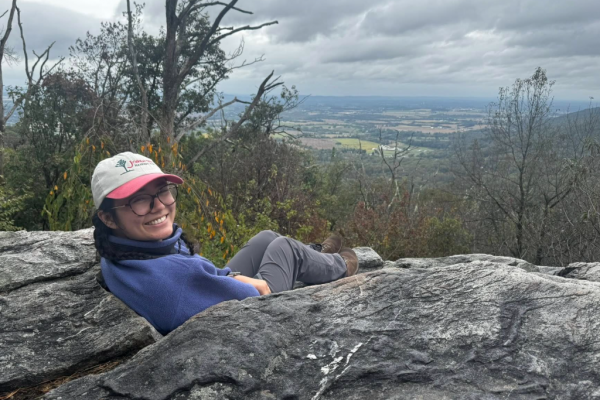
Now [nature is] where I go to reconnect. When I’m outside, I feel closer to my parents than anywhere else. I talk to them, think about them, and allow myself to miss them without trying to push those feelings away.
The Umbrella Project didn’t ask me to have the right words or the right emotions. It simply met me exactly where I was. It may not change what happened, but it just might change how you carry it. It certainly did for me.
What I was actually searching for, even if I couldn’t put words to it at the time, was permission to stop surviving and start grieving. That’s what I found.
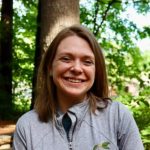
Kaitlyn’s story is a reminder that healing doesn’t mean leaving grief behind. Sometimes it begins with giving yourself permission to stop surviving and start grieving, and discovering you don’t have to walk that path alone.